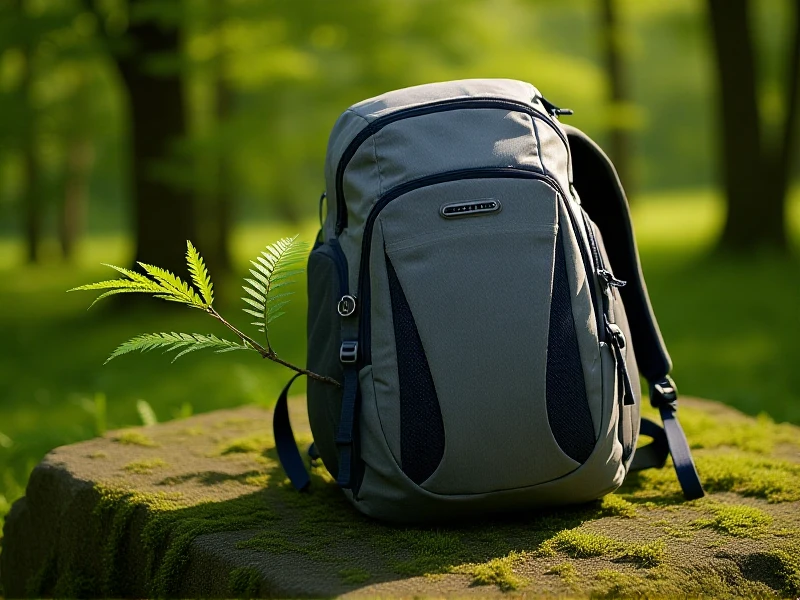
15 Features of the Perfect Backpack: Choosing Your Ultimate Carry Companion
Okay, here is an SEO-optimized article about backpacks, following your specifications:
A reliable backpack is far more than a simple bag; it's an essential partner for daily commutes, travel adventures, weekend explorations, and everything in between. Choosing the right one isn't just about looks – it’s about finding a blend of comfort, durability, organization, and suitability for your specific needs. Feeling overwhelmed by choices? Focus on these key features when finding your perfect backpack match.
1. Prioritize Comfort: Your back and shoulders will thank you. Look for backpacks featuring: * Padded & Contoured Straps: Wide, thick straps distribute weight evenly and prevent digging. * Supportive Back Panel: Opt for ergonomically shaped, breathable foam padding (like mesh) to minimize sweat and fatigue. * Adjustable Sternum Strap (Chest Strap): Crucial for stabilizing heavy loads and shifting weight onto the stronger chest muscles. * Hip Belt (For Larger Loads): Essential trekking packs redirect weight from shoulders to hips, a stronger body part for carrying.
2. Build for Durability: Invest in quality materials to ensure longevity: * Fabric: High-denier nylon (e.g., 500D-1000D) or polyester offers excellent resistance to abrasion and tears. Cordura® is a premium option renowned for toughness. * Zippers: Sturdy YKK zippers, preferably water-resistant or even laminated (#RC), resist jamming and corrosion. Look for lockable zipper pulls for added security. * Stitching: Reinforced, bartacked stress points (especially where straps attach) are non-negotiable for heavy loads.
3. Water Resistance is Key: Protect your gear. Options include: * Water-Resistant Coatings (DWR): Repels light rain and splashes. Needs reapplication over time. * Waterproof Fabrics (e.g., Tarpaulin): Provides high protection. Often feels stiffer. * Integrated Rain Cover: Usually stored in a dedicated bottom compartment, offering full protection in downpours.
4. Smart Organization: Reduce clutter and access essentials quickly: * Main Compartment: Size depends on needs (daily essentials vs. multi-day trip). * Laptop/Tablet Sleeve: Must be well-padded and suspended above the bottom for protection. Check dedicated dimensions. * Front Pockets: Utilize quick-access pockets ideally sized for phones, keys, power banks, sunglasses. * Side Pockets: Perfect for water bottles or compact umbrellas; check size and elasticity. * Internal Organization: Dividers, pen slots, admin panels, key clips—minimize time spent digging. * Hydration Sleeve: Vital for hikers; holds a water bladder with a hose exit port.
5. Size & Fit: Consider the intended use: * Daypack (15-30 liters): Perfect for commuting, school, light hikes. * Hike / Travel Weekend Pack (30-50 liters): Good for day hikes or overnight trips. * Multi-Day Trek / Large Travel Pack (50 liters): Requires strong suspension. Always choose measured torso fit over height alone. * Capacity Check: Liter volume is a guide. Visualize carrying specific gear (laptop, lunch, jacket, etc.).
Finding Your Ideal Pack
Ultimately, the best backpack aligns with your life. Think carefully about your primary activities and what you carry daily. Comfort should always top the list – no stylish pack is worth shoulder pain. Prioritize durable materials for lasting value. Water protection is increasingly essential. Intelligent organization transforms your carrying experience, saving time and frustration. Determine the right size and capacity to avoid overpacking or under-preparedness.
Take the time to research, try packs on when possible, and load them up. A perfect backpack becomes an effortless extension of you, ready for the journey ahead. Discover yours today!